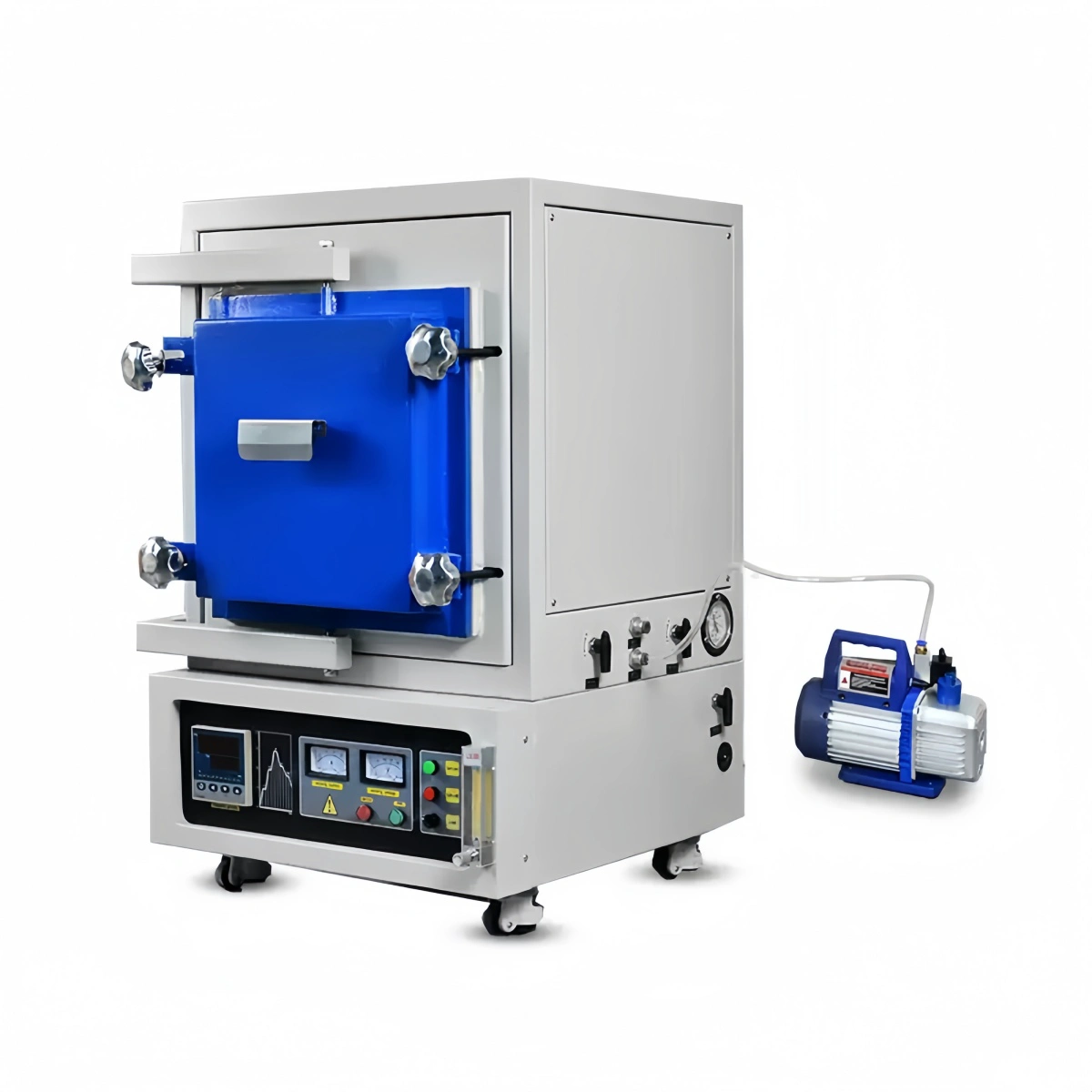
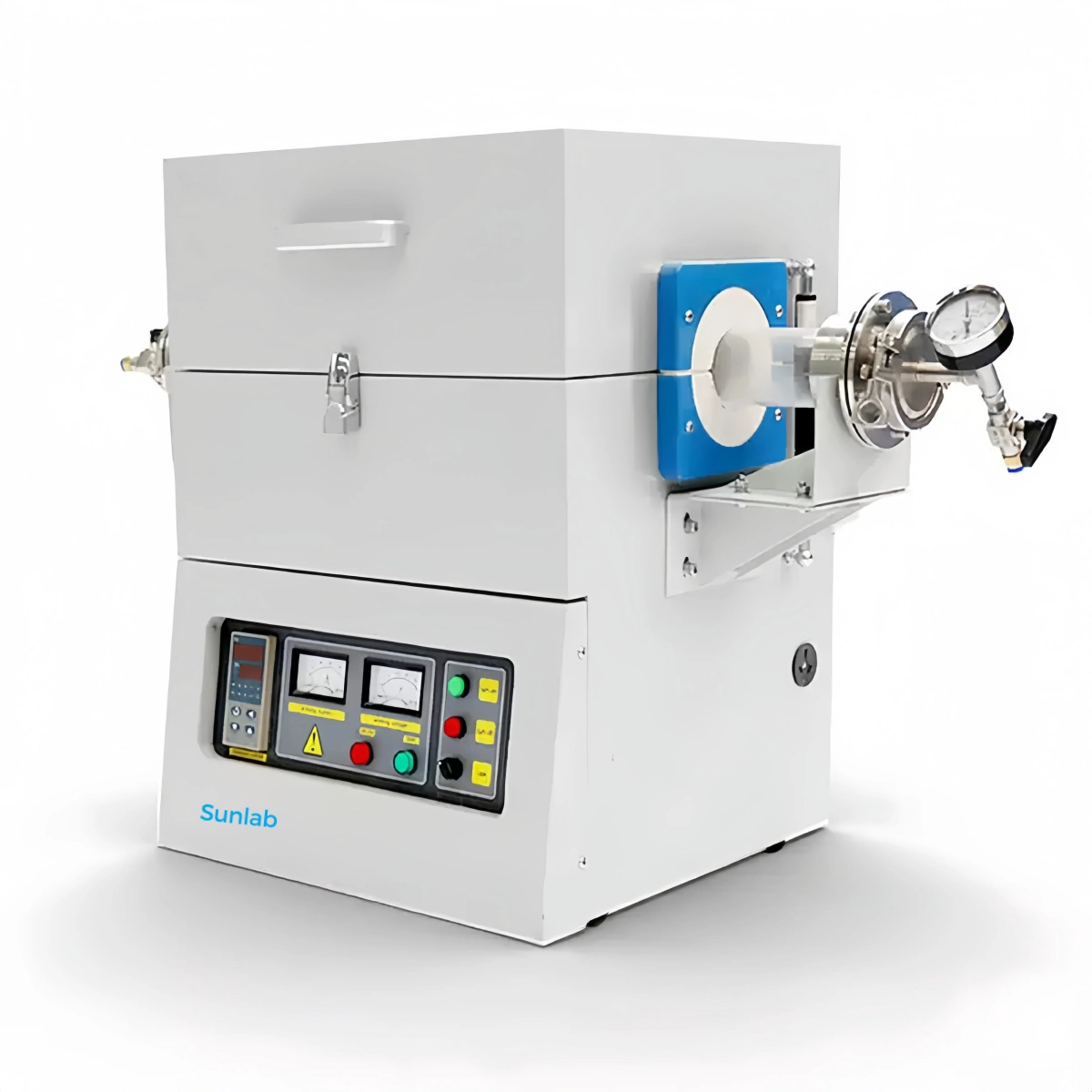
Box Atmosphere Furnace Description
Box-type Atmosphere Furnace with Intelligent Temperature Control
Compliant with EU CE standards; ISO 9001:2015 quality management system certified.
Capacity: 1–36 L; Maximum temperature: 1200–1700°C;
Equipped with K, S, or B-type thermocouples.
Temperature control precision: ±1°C.
Features an alumina ceramic fiber chamber.
Rapid heating rate, Uniform temperature distribution.
Supports the introduction of various gases.
Box Atmosphere Furnace Click here. Muffle Furnace Click here.
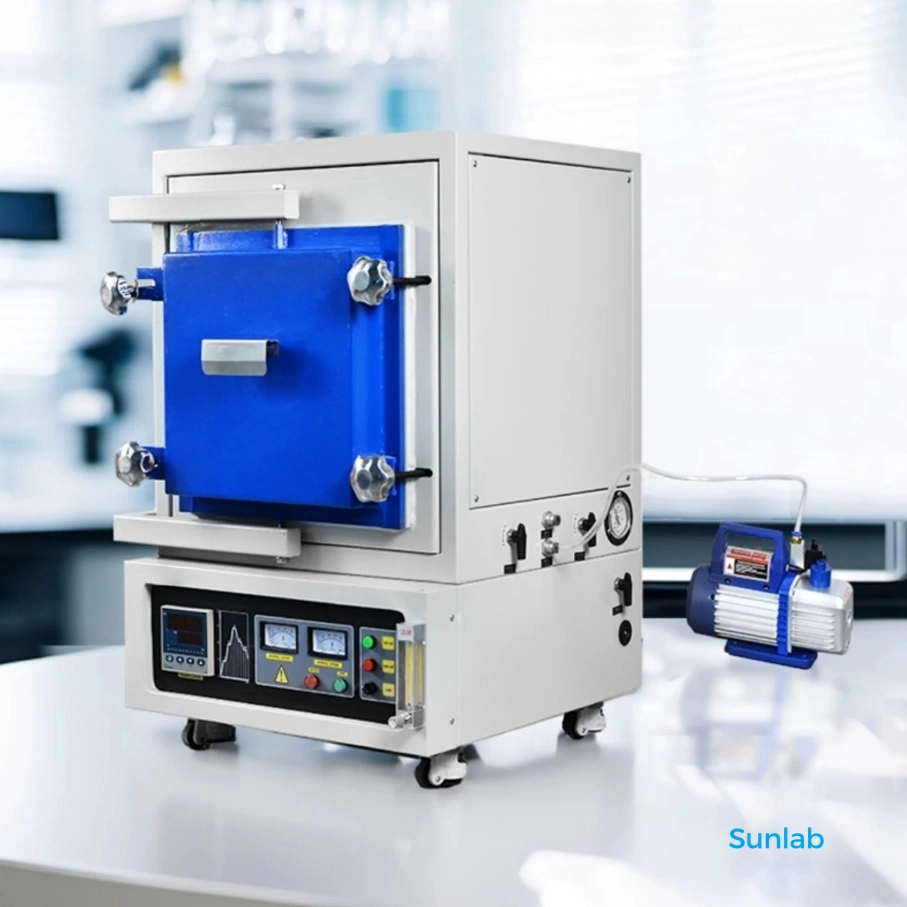
Versatile range of applications

Widely used in research and small-batch production within enterprises and institutions, as well as in academic research and teaching. Applicable fields include ceramics, metallurgy, electronics, glass, chemicals, machinery, refractories, the development of new materials, specialty materials, and construction materials.
Product Video
(Video in production)
Technical Specifications / Model Tables
Vacuum Atmosphere Furnace
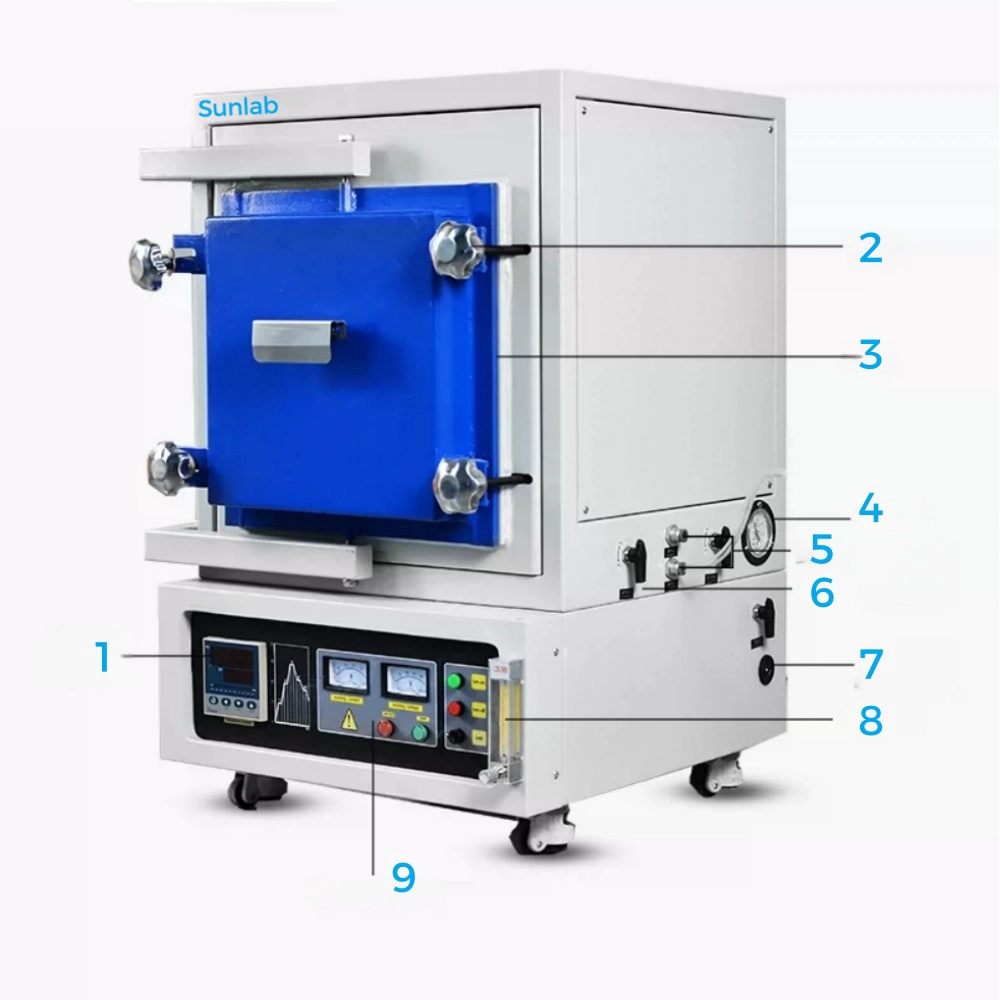
1. Intelligent Temperature Controller | 6. Gas Inlet Valve |
2. Handle | 7. Vacuum Pump Power Socket |
3. Furnace Door | 8. Flowmeter |
4. Pressure Gauge | 9. Control Dashboard |
5. Gas Inlet/Outlet | |
Model | XU-SA-1-12TP | XU-SA-2-12TP | XU-SA-6-12TP | XU-SA-9-12TP | XU-SA-2-14TP | XU-SA-4-14TP | XU-SA-9-14TP | XU-SA-16-14TP | XU-SA-2-17TP | XU-SA-4-17TP | XU-SA-9-17TP | XU-SA-16-17TP |
Maximum Temperature | 1200°C | 1400°C | 1700°C |
L* W* H (mm)/ volume | 100*100*100 /1L | 200*150*150 /4.5L | 300*200*200 /12L | 400*300*300 /36L | 100*100*100 /1L | 200*150*150 /4.5L | 300*200*200 /12L | 400*300*300 /36L | 100*100*100 /1L | 200*150*150 /4.5L | 300*200*200 /12L | 400*300*300 /36L |
Power Supply/Rating | 110-220V/1KW | 110-220V/2KW | 110-220V/6KW | 110-220V/9KW | 110-220V/2KW | 110-220V/4KW | 110-220V/9KW | 380V 3-phase /16KW | 110-220V/2KW | 110-220V/4KW | 380V 3-phase /9KW | 380V 3-phase /16KW |
Operating Temperature | 1100°C | 1300°C | 1600°C |
Temperature Control Precision | ±1°C | ±1°C | ±1°C |
Thermocouple | K-type | S-type | B-type |
Heating Element | HRE resistance wire | Silicon carbide heating element | Silicon molybdenum heating element |
Heating Rate | 0–20°C/min | 0–15°C/min | 0–10°C/min |
Maximum Vacuum Level | -0.1 MPa (Sunlabpro.com) |
Maximum Pressure | Maximum pressure: ≤ 0.03 MPa |
Compatible Gases | Compatible with various gases, including inert gases, gas mixtures, nitrogen, carbon dioxide, water vapor, argon, and oxygen. |
Gas Control | Equipped with an inlet port (fitted with a ball valve) and an outlet port (also fitted with a ball valve); includes a vacuum gauge connection. A vacuum pump is provided. |
Warranty Period | One-year warranty (excluding consumable parts such as heating elements and thermocouples). |
Product Certification | Compliant with EU CE standards; ISO 9001:2015 quality management system certified. |
Operation Panel
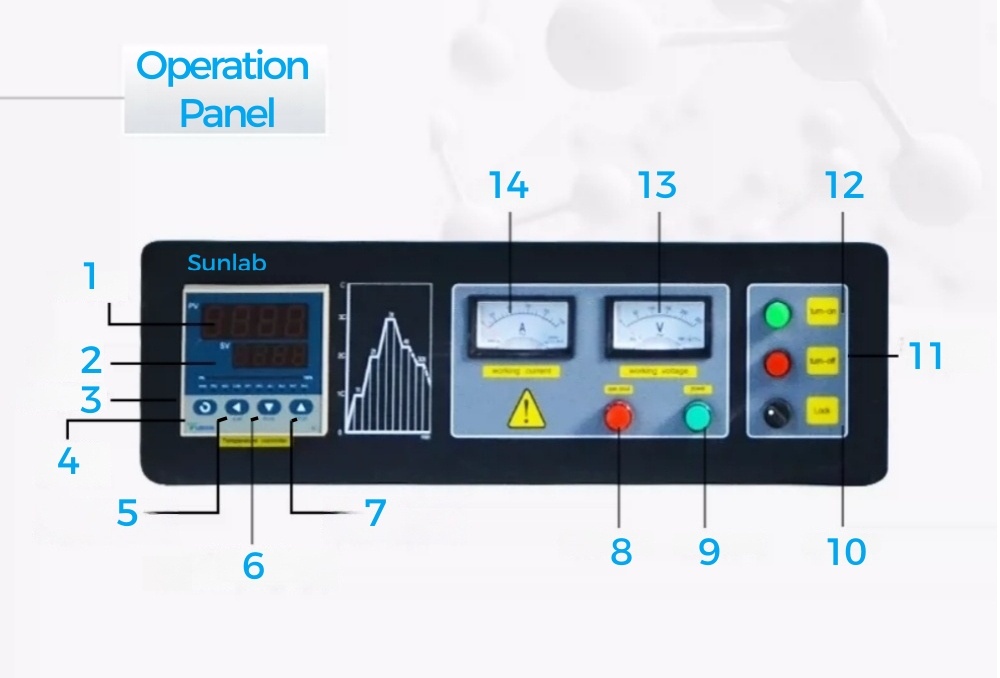
1. Furnace temperature display | 6. Data decrease key (also used to run/pause a program) | 11. Main circuit stop button |
2. Set temperature value display | 7. Data increase key (also used to stop a program) | 12. Main circuit start button |
3. Function indicator lights | 8. Fault indicator light | 13. Voltmeter |
4. Setting key (Confirm key) | 9. Power indicator light | 14. Ammeter |
5. Data shift key (also used to enter program settings) | 10. Rotary switch | (Sunlabpro.com) |
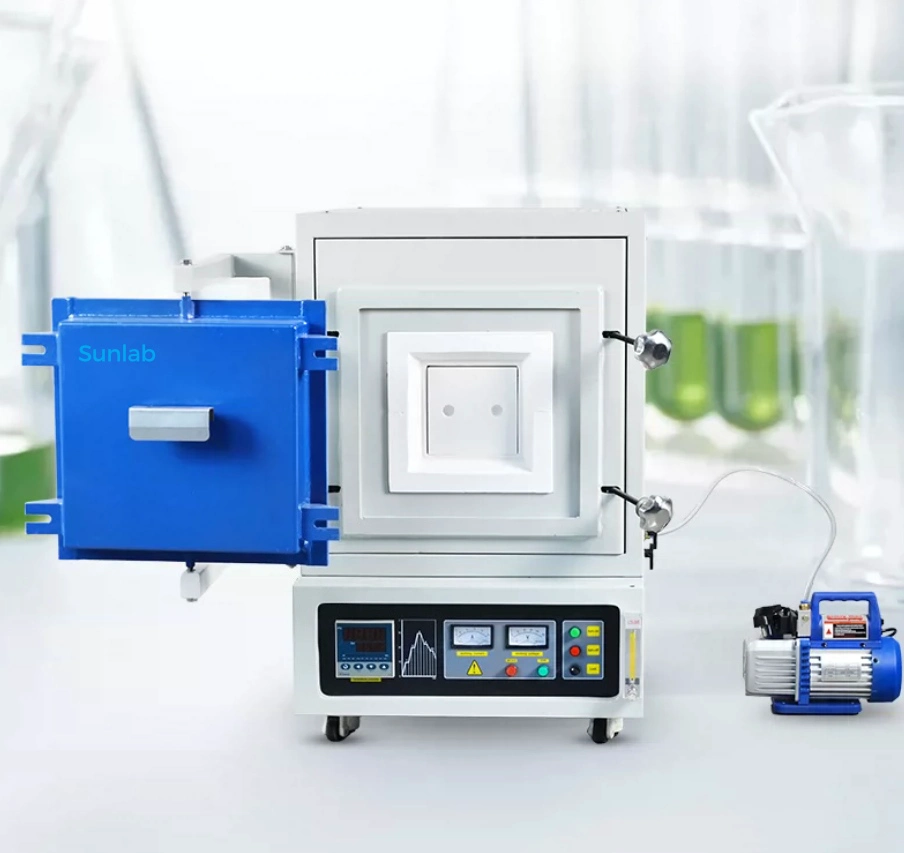
Features a dual-layer forced-air cooling design and a powder-coated, high-temperature baked finish.
This ensures that the furnace shell remains near room temperature even when the interior is at its maximum operating temperature, preventing accidental injuries.
Equipped with an inlet port (fitted with a ball valve) and an outlet port (also fitted with a ball valve); includes a vacuum gauge connection. A vacuum pump is provided.
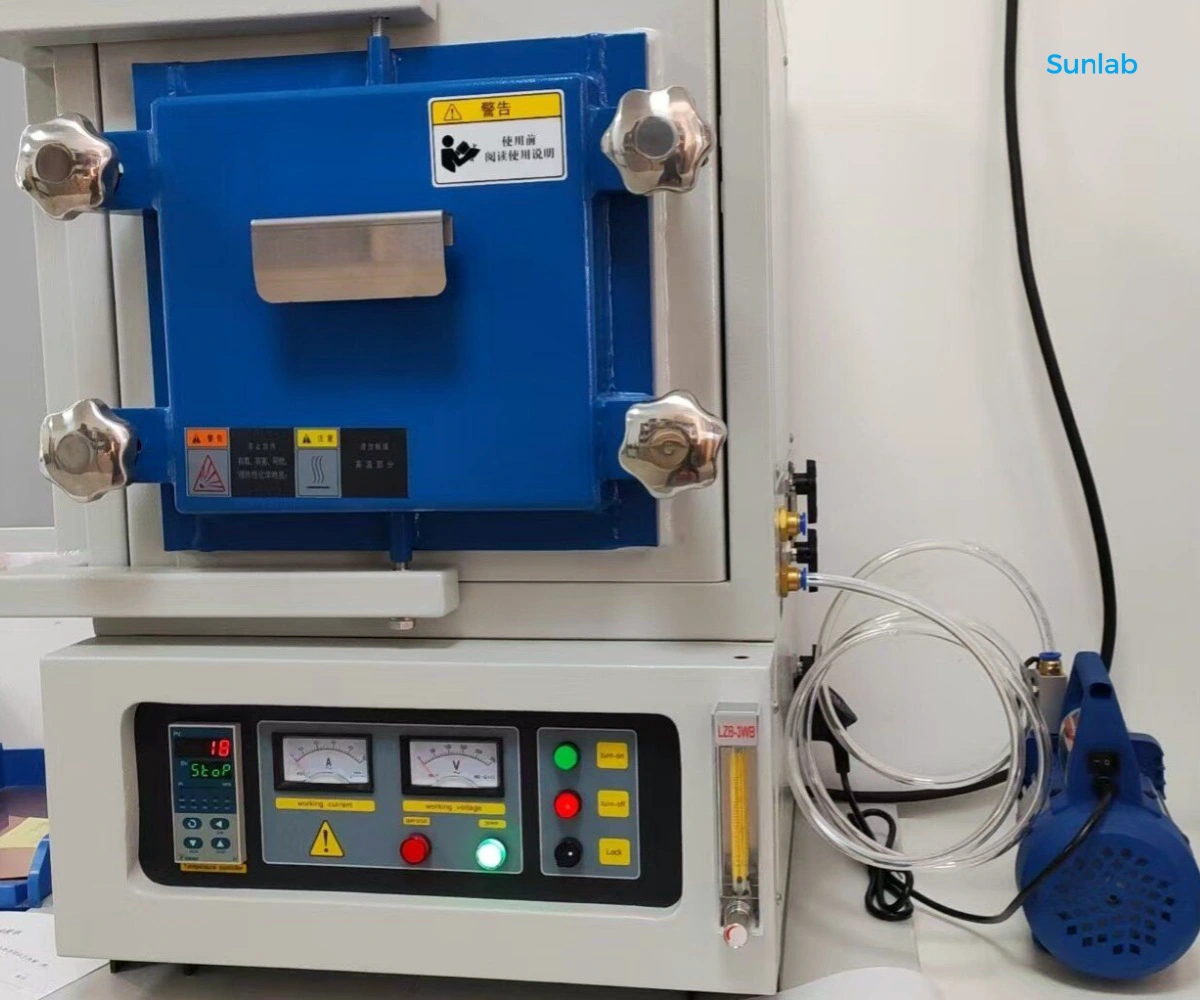
Equipped with an intelligent, safety-focused temperature control system.
Utilizes an advanced, internationally recognized temperature controller featuring 30-segment programmable PID auto-tuning, with automated heating and cooling cycles that require no manual supervision. The system incorporates integrated circuitry and modular control, supported by dual-circuit protection (including safeguards against temperature deviation, excessive heat, thermocouple failure, overcurrent, and overvoltage).

The furnace chamber is constructed from lightweight alumina and ceramic fiber materials.
It offers excellent thermal insulation, high-temperature durability, and resistance to thermal shock (rapid heating and cooling); it is free from cracking or crystallization, ensuring that the chamber remains under uniform stress during the heating process.
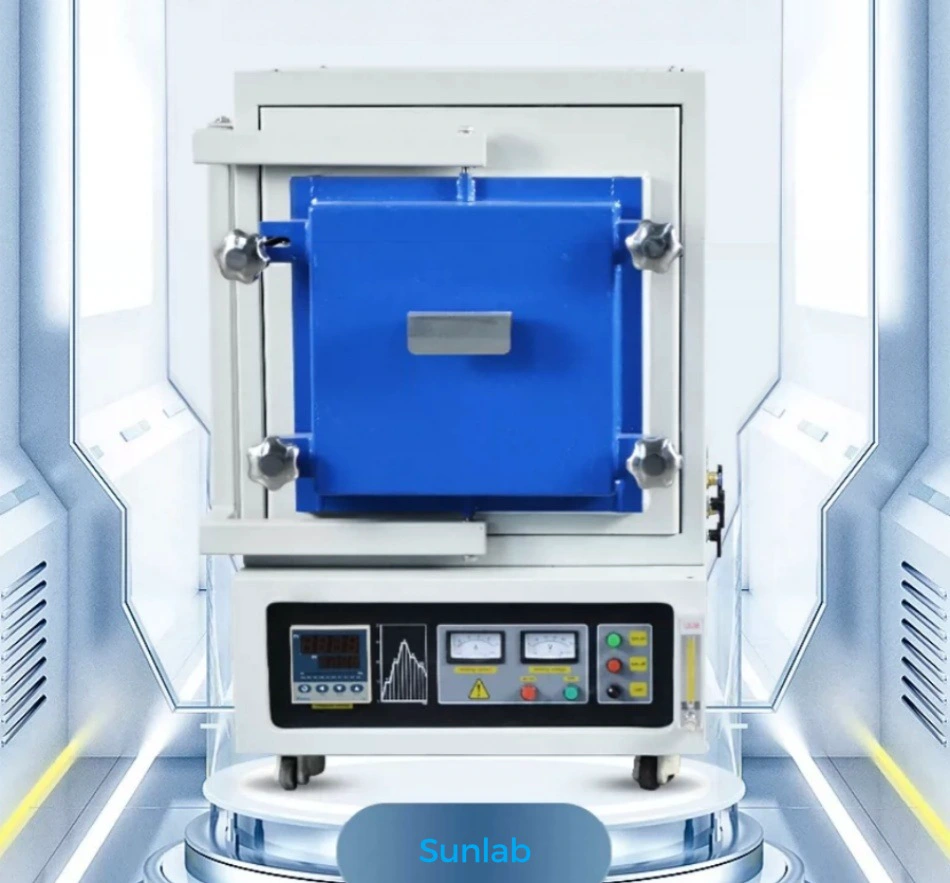
The furnace door features an embedded silicone sealing strip and is secured with locking latches at each of its four corners.
The door surface is precision-machined (flat-milled) and equipped with an embedded silicone seal, providing a robust, airtight closure while ensuring the door is easy to open and close.
Product Overview
Laboratory Box-Type Atmosphere Furnace
A laboratory box-type atmosphere furnace is a specialized high-temperature heating device designed for sintering, annealing, reduction, and debinding processes under inert, reducing, or vacuum conditions. Unlike a conventional muffle furnace, it features a sealed chamber with gas inlet and outlet connections, allowing users to control the atmosphere inside the furnace. This makes it suitable for material processing applications that require a specific protective or controlled atmosphere.
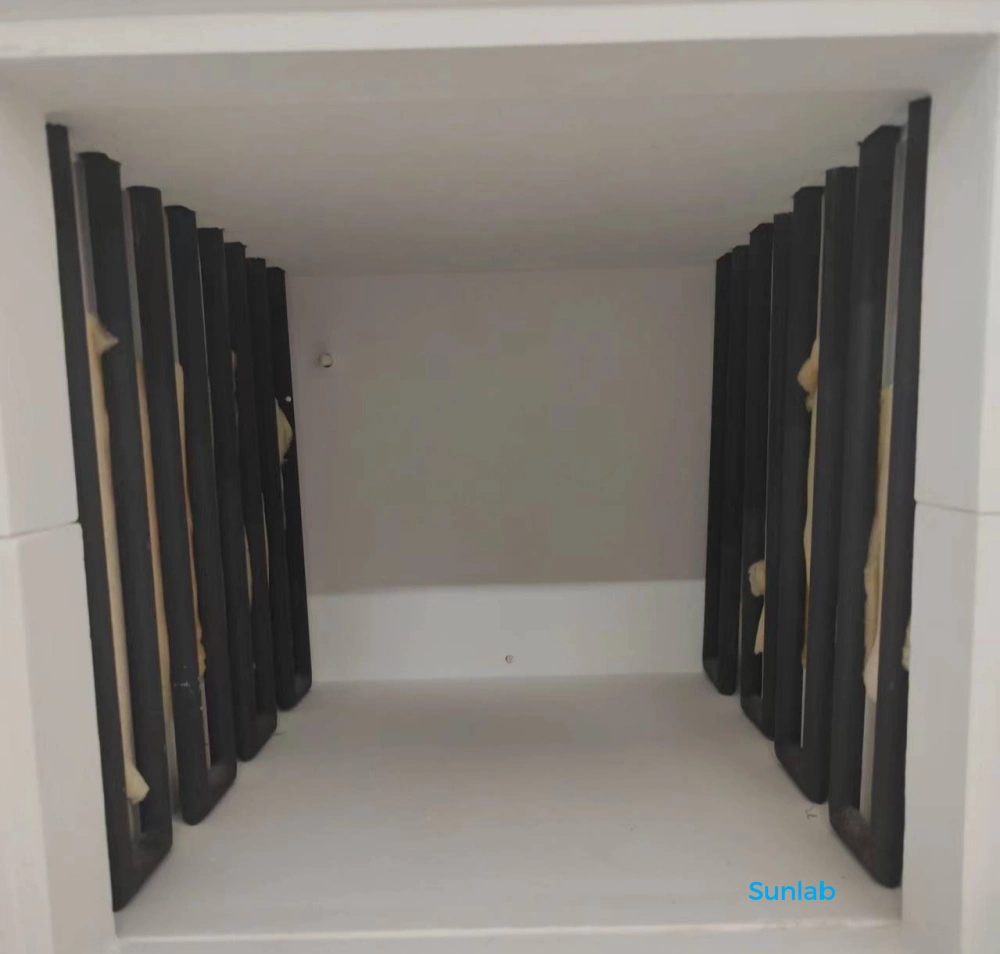
Silicon carbide heating elements in the atmosphere furnace.
Working Principle
The furnace generates heat through electric heating elements installed inside the chamber. An alumina ceramic fiber lining provides thermal insulation, enabling rapid heating and uniform temperature distribution. Available chamber capacities range from 1 to 36 L, with power ratings of 1–16 kW and maximum operating temperatures of 1,200–1,700°C. Depending on the model, temperature measurement is provided by K-, S-, or B-type thermocouples. The furnace can be connected to a vacuum pump and supplied with various gases, including nitrogen, argon, and hydrogen, to create the required processing atmosphere.
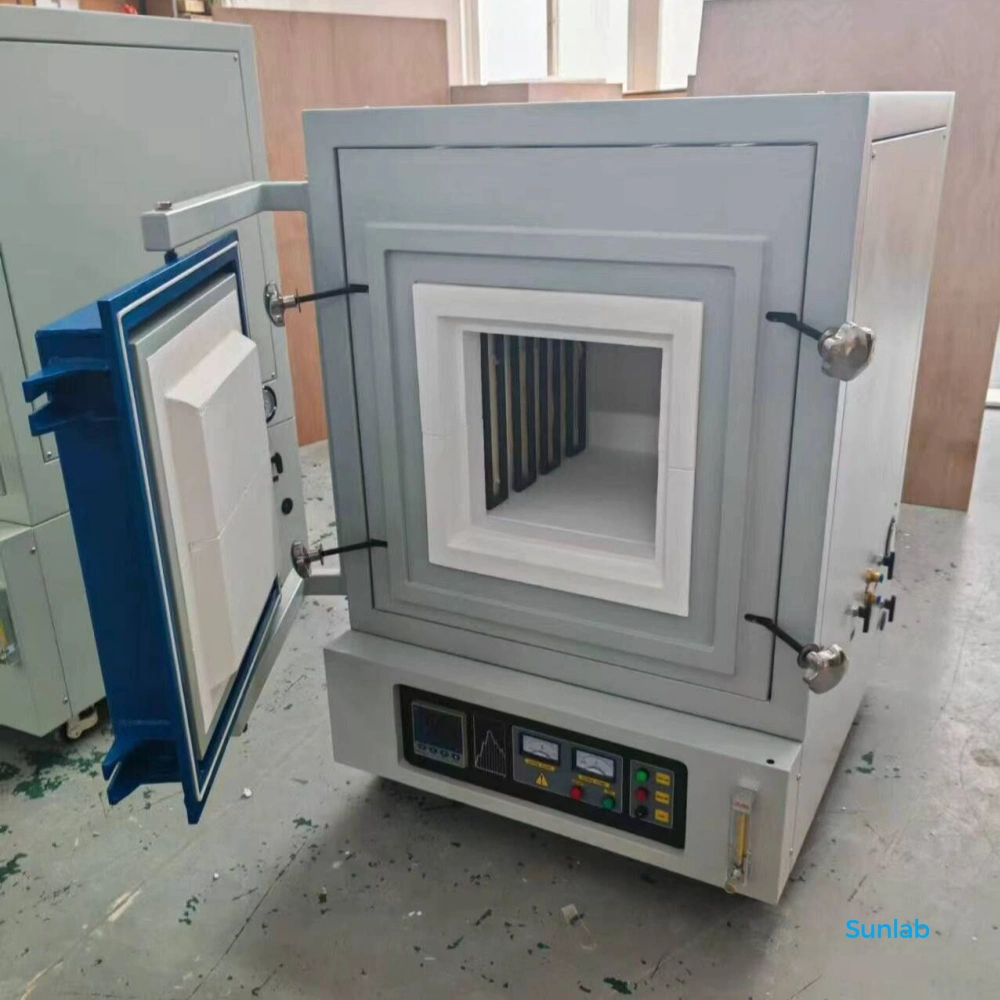
Applications
Different heating elements are used to achieve different maximum temperatures: HRE resistance wire supports temperatures up to 1,200°C, silicon carbide rods up to 1,400°C, and molybdenum disilicide (MoSi₂) rods up to 1,700°C. Laboratory box-type atmosphere furnaces are widely used in powder metallurgy, advanced ceramics, lithium-ion battery cathode and anode material sintering, cemented carbide processing, magnetic materials research, and university laboratories. They are particularly suitable for processing oxidation-sensitive materials that require atmosphere protection.
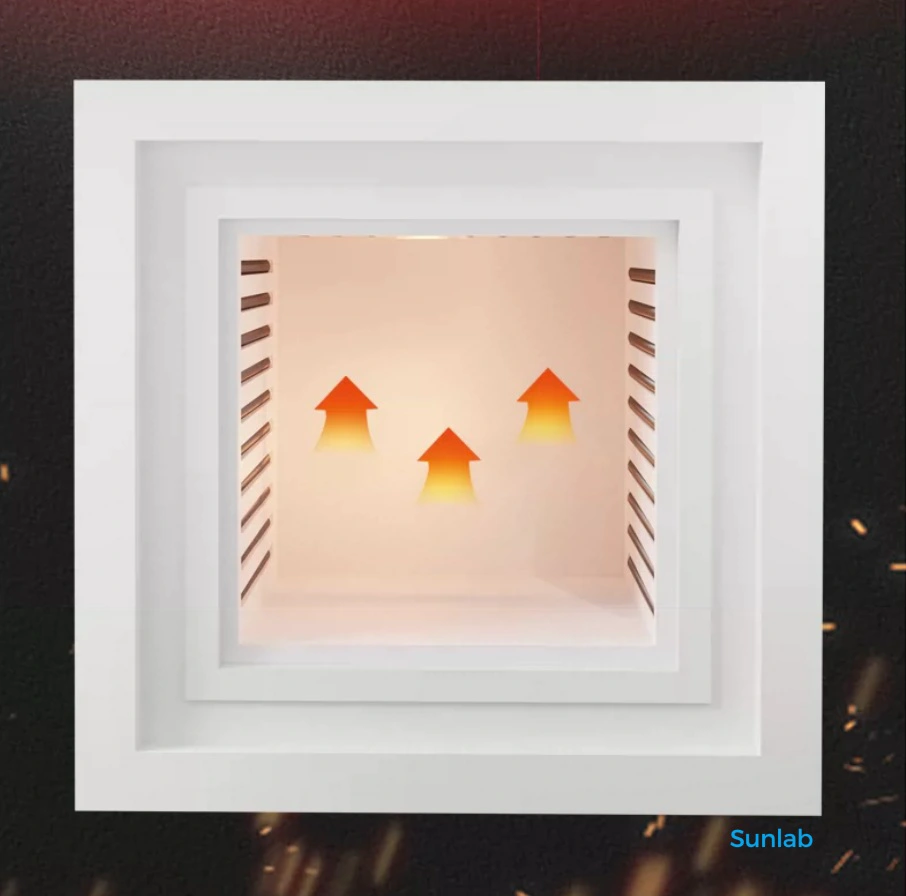
Box-Type Atmosphere Furnace Selection Guide
When selecting a laboratory box-type atmosphere furnace, first determine the maximum temperature required for your process. Choosing a model with an additional temperature margin of 50–100°C can provide greater operating flexibility. Select the chamber capacity according to your sample size and leave sufficient space for proper loading and heat circulation. For atmosphere-controlled applications, pay particular attention to the chamber sealing structure, gas inlet and outlet connections, and whether flow meters are included. MoSi₂ heating elements support higher temperatures but generally involve higher costs, so choose them according to your actual requirements. Other important considerations include chamber material, thermocouple type, compatibility between the furnace power rating and the available electrical supply, and safety features such as overtemperature protection and gas leakage alarms.
Product Detail
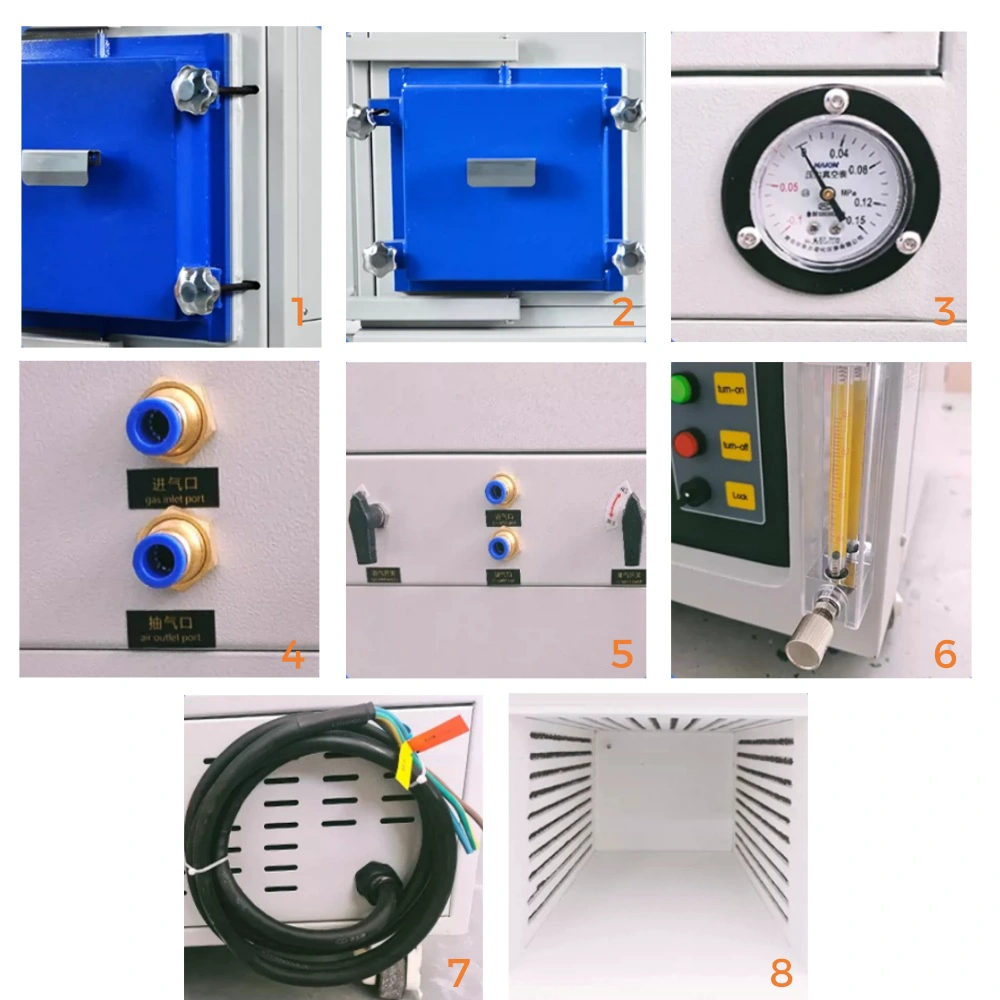
1. Handle, sealed furnace door | 5. Gas inlet valve/exhaust valve |
2. Furnace door structure | 6. Flow meter: Measures gas flow rate |
3. Pressure gauge: Monitors the pressure inside the furnace tube; the needle must not exceed 0.03 MPa | 7. Power cord (connected to a circuit breaker) |
4. Gas inlet/exhaust port | 8. Alumina ceramic fiber furnace chamber |
Single-Stage Vacuum Pump Specifications
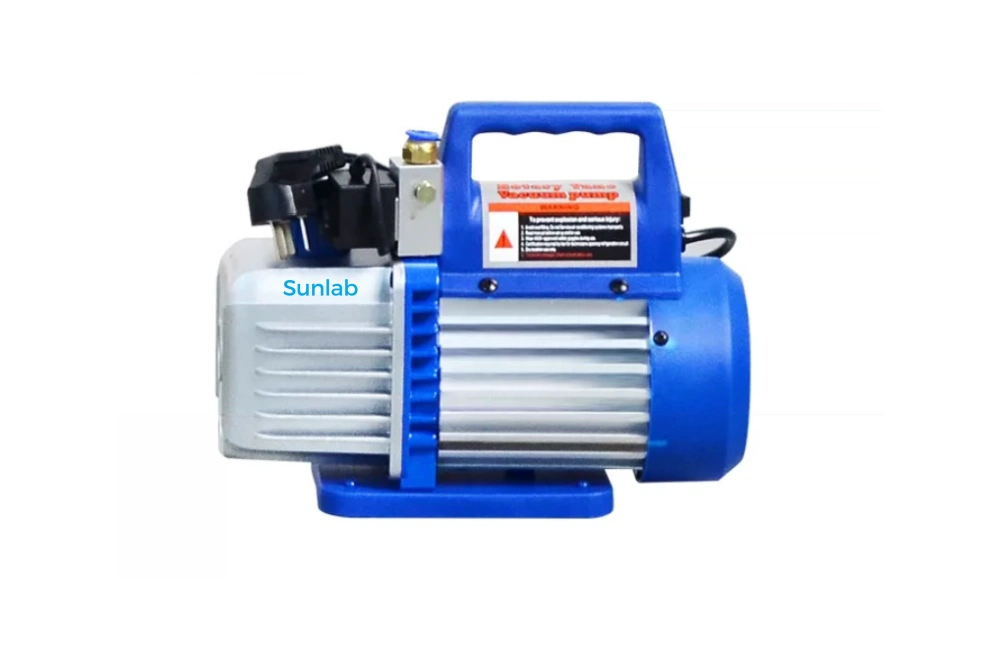
Single-Stage Vacuum Pump Specifications |
Model | VP125 | VP180 |
Power Supply | 220V/50HZ | 110V/60HZ | 220V/50HZ | 110V/60HZ |
Automatic Exhaust Function | CFM | 2.5 | 3 | 8 | 9 |
L/MIN | 70 | 84 | 226 | 254 |
Ultimate Total Pressure | Pa | 5 | 5 |
mbar | 0.05 | 0.05 |
Power | Motor | 1/4 | 3/4 |
Inlet Connection | 1/4" Flare | 3/8" Flare |
Oil Capacity | 300 | 800 |
Dimensions (mm) | 275*122*220 | 380*145*250 |
Weight (kg) | 5.5 | 15 (Sunlabpro.com) |
Other Laboratory Pumps Click here.
OEM / ODM Services
MOQ: 1 Piece. Buyer'S Logo Customization Is Available For Orders of 30 Pieces or More. ODM Orders Are Shipped Within 12–25 Days After Order Confirmation.
Product Packaging -Packing List
1. Furnace unit | 5. 1 pair of crucible tongs |
2. 1 pair of high-temperature gloves | 6. 1 vacuum pump |
3. 1 fire brick | 7. 1 instruction manual |
4. 2 spare heating elements | 8. 1 gas hose |
Customer Photos/ Customer Review
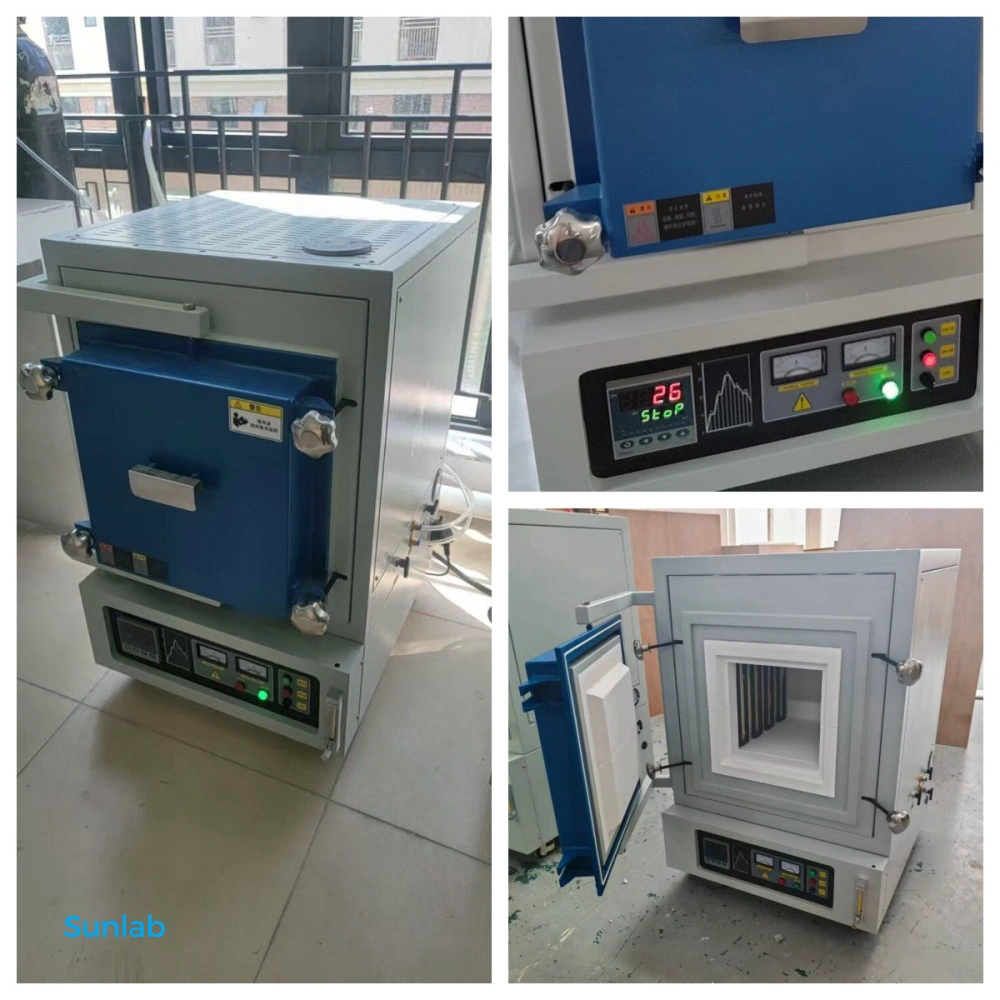
The atmosphere furnace is solidly built with excellent sealing and precise temperature control. The programmable heating function works well, and the unit remains leak-tight when supplied with gas. The equipment arrived in perfect condition, and the technical support provided was excellent; it fully meets our experimental process requirements—we are very satisfied.
The furnace comes with a complete set of accessories, including spare vacuum fittings and seals. Initial testing went smoothly, and our research group will be relying on this furnace for our upcoming experiments.
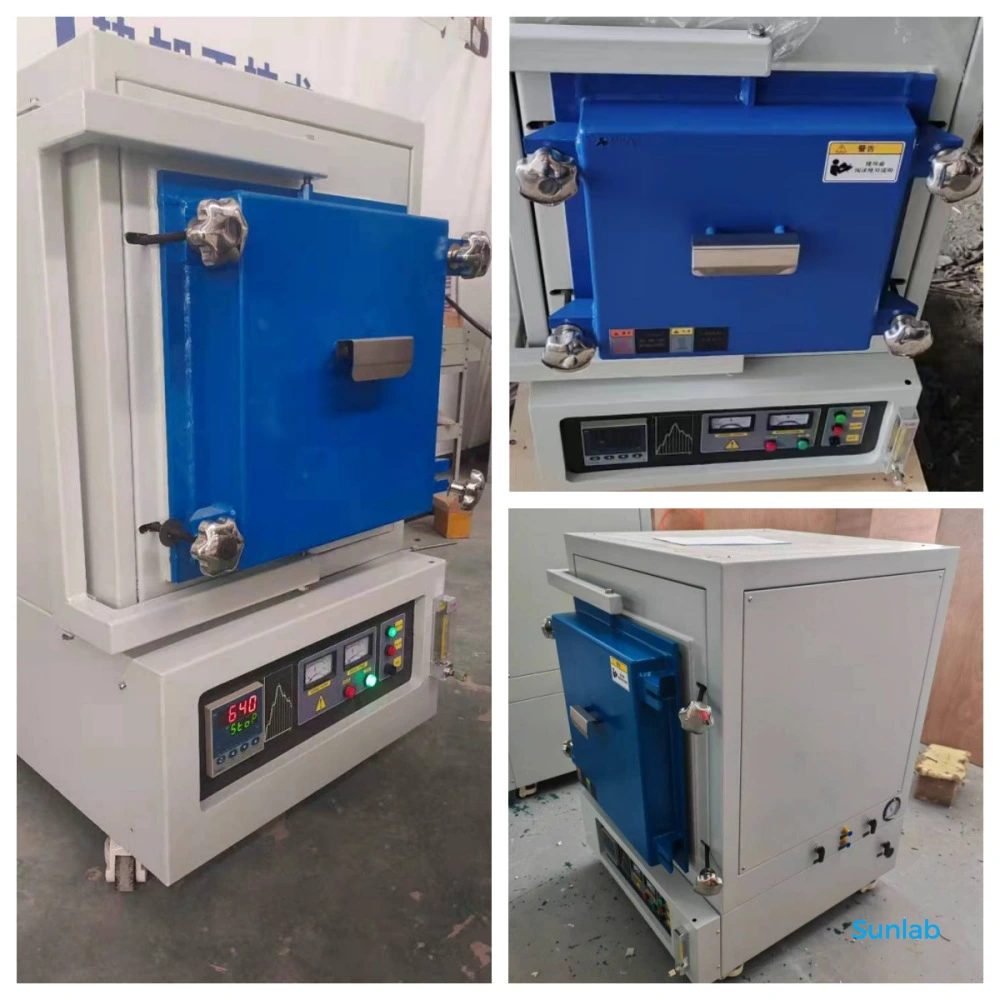
This box-type atmosphere furnace features excellent sealing, high gas-exchange efficiency, controllable heating rates, and precise temperature control with minimal deviation. The furnace chamber is robustly constructed, ensuring consistent results for sintering and heat-treatment experiments—a highly reliable choice for laboratory use.
It arrived in the UK in 25 days. Installation and commissioning were straightforward, thanks to clear guidance from the manufacturer; once connected to the gas and power supplies, it was ready for operation. The system supports programmable segments, allowing for the fully automated execution of heating, isothermal holding, and cooling cycles.